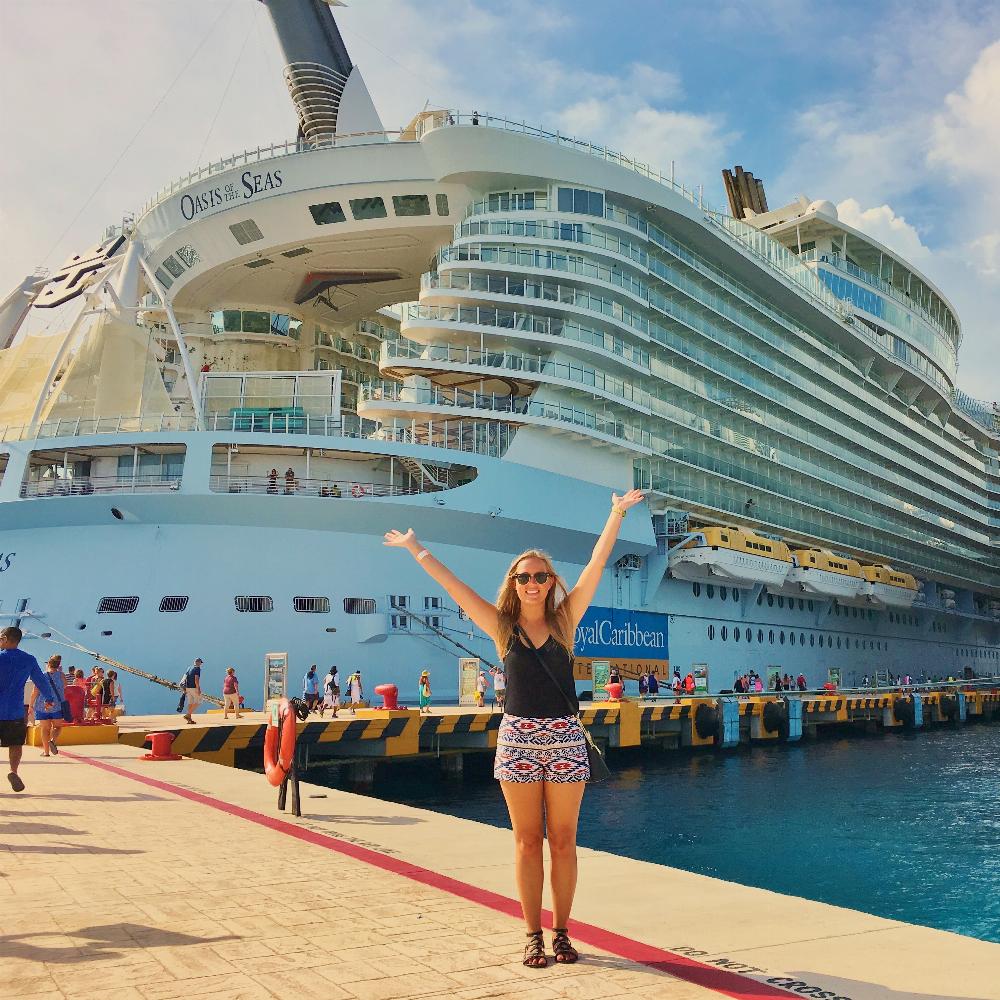
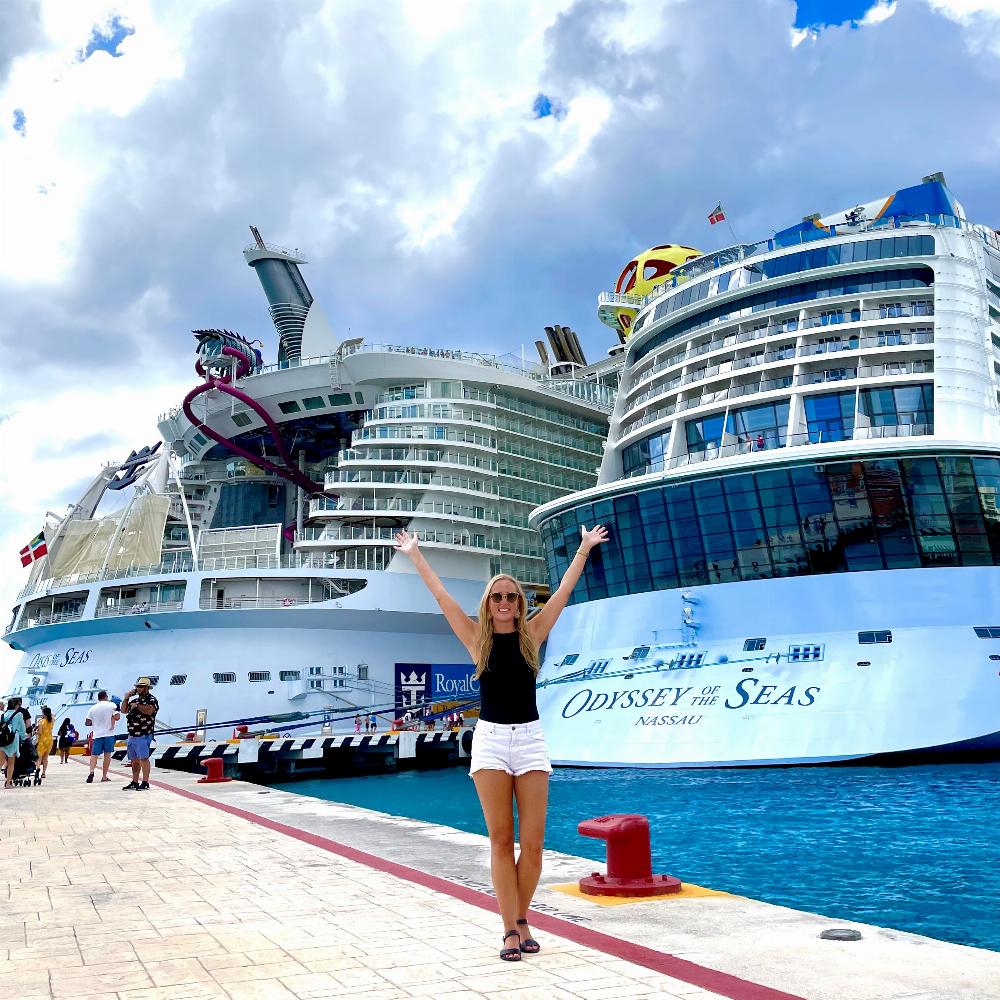
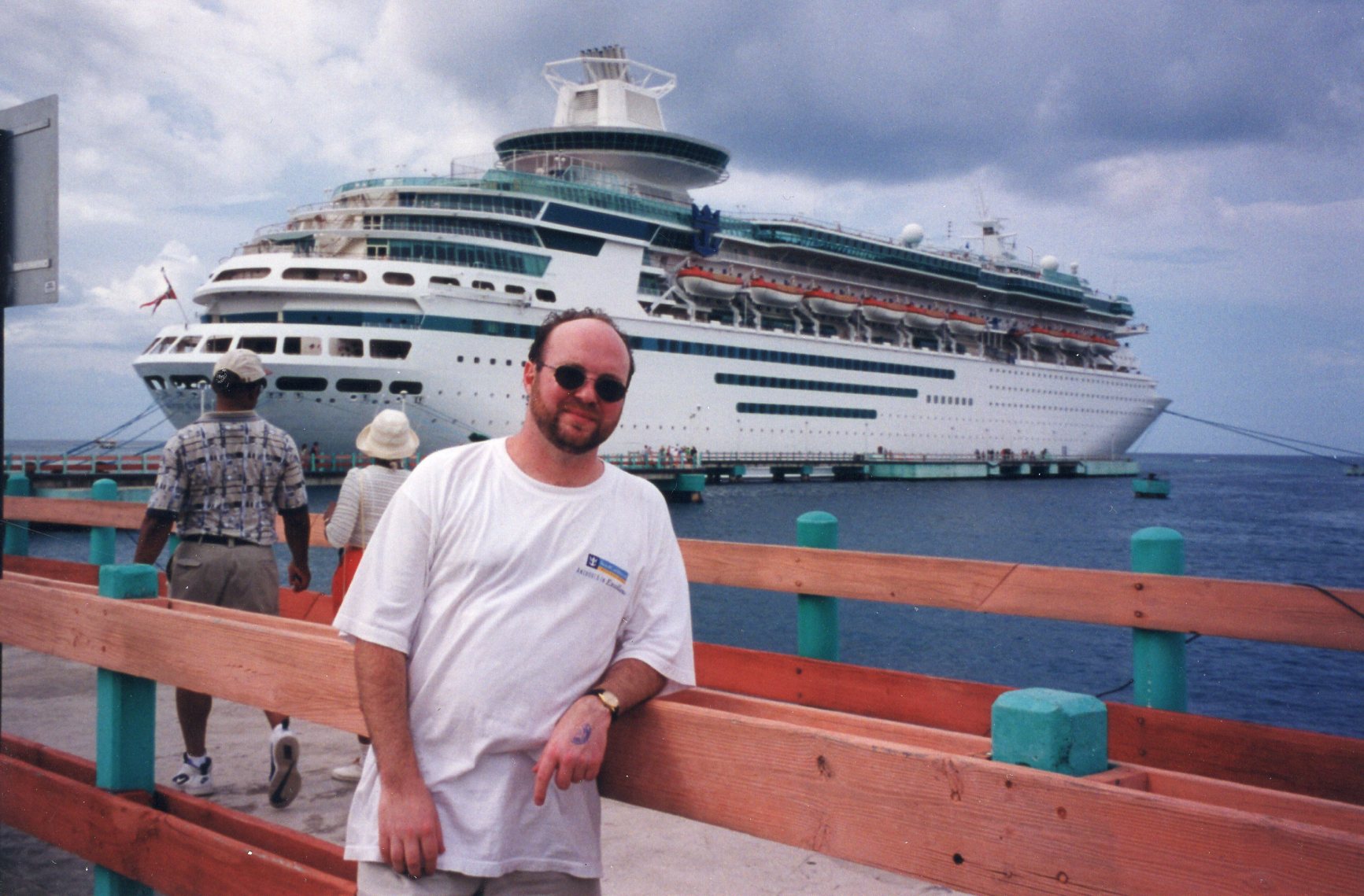
What’s it like to swap ocean views for office views? At Royal Caribbean Group, many employees have at one point worked on a ship – or several - in the company’s expansive fleet and then made the transition to working shoreside, marking a new chapter in their lives. They bring with them a deep understanding of our guests, our operations, and the special magic that sets our vacation experiences apart. To find out more about these unique ship to shore career experiences, we sat down with some of these remarkable individuals to help share their stories.
Rose
Lead, Deployment Strategy, Deployment & Itinerary Planning, Royal Caribbean
Vernon
Manager, Live Music Programming, Fleet Entertainment, Royal Caribbean
What is your current position? How long were you at sea and how long have you been shoreside?
Rose: I’m currently Lead, Deployment Strategy for Deployment & Itinerary Planning for Royal Caribbean and have been shoreside for almost six years. I was shipboard for almost six years as the Cruise Program Administrator for Royal Caribbean Entertainment.
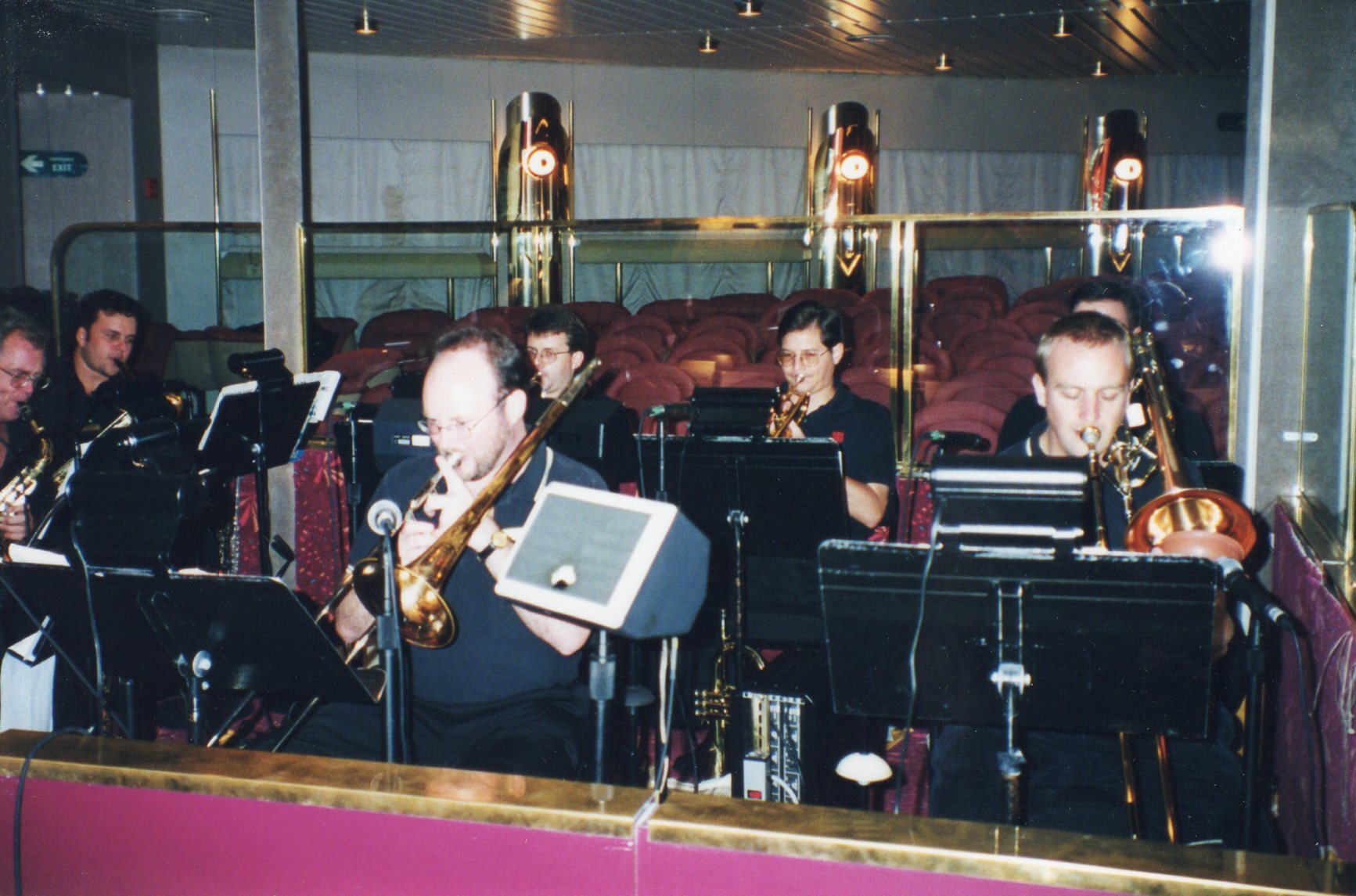
Vernon: My current position is Manager, Live Music Programming. I spent 13 years aboard our vessels, 17 years in the office. In June, I’ll have completed 30 years with Royal Caribbean Group.
Can you describe your journey from working onboard to transitioning to a shoreside position?
Rose: I was very fortunate that a colleague (shout out to Alistair Inch!) I worked on three different ships that connected me to the manager on my current team. I had always thought Deployment & Itinerary Planning was so interesting because it influences not only who books the cruise, but the guest experience, and the hours of operations of what we offer onboard. It was honestly my dream team to transition to.
Vernon: For me, the transition was quite natural, and my skills were easily transferable. On ships, I had to prepare the orchestra to perform every show while overseeing the quality standards in all venues. So, I knew the standard required. In the office, I hire those orchestra musicians, and over the years my responsibilities have grown from there.
What motivated you to make the switch from onboard to shoreside?
Rose: I wanted to grow my career and take on a new challenge.
Vernon: I loved working on our ships. I loved traveling and working with my team. But, after many years on ships, my wife and I decided it was time to chart a new direction. It was serendipitous that the office had a new opening right at the time we made this decision.
How has your previous experience as a crew member influenced your current role?
Rose: Working onboard has given me a unique understanding of our complex operations and the guest perspective. For example, with deployment, I understand that tendering often takes multiple hours to get all the guests into a destination. I take this knowledge into consideration when developing itineraries.
Vernon: I think I have a great deal of empathy and understanding of the challenges that shipboard employees go through. You don’t just work together – you live together. I’m here to offer guidance, or sometimes just listen.
What are some of the biggest challenges you faced during the transition?
Rose: Having to cook for myself daily, ha-ha! Onboard, our food is prepared by our amazing culinary team. I do love cooking, but going from never having to cook to cooking every day is a big transition.
Vernon: It wasn’t the job; it was planting roots in South Florida. Transitioning from world traveler to a stay-at-home person was a lot more challenging than I thought it would be. I walked down the gangway on a Sunday and was in the office on Monday. The time and effort of finding and furnishing a place to live, declaring residency and buying a car while throwing yourself into a new job was daunting.
How do the work environments onboard and shoreside compare?
Rose: Onboard, you don’t think of certain days as a weekend or a holiday. Usually during holidays, we’re our busiest to provide a great experience for our guests. However, working onboard, we did have “hours off” during the day to go and explore a new destination, for example. Sometimes, I think I’d still enjoy my two-month vacations while working weekends, rather than having two-day weekends and holidays off.
Vernon: On ships, you spend a lot more time on your feet! The pace is different. Shoreside, you come in at 9 a.m., work all day, then go home at 5 p.m. Yes, there’s after-hours stuff, emergencies and so on, but 9 to 5 is your routine. Onboard, my days had two different routines. In the mornings, I might have meetings, boat drills, rehearsals and admin work to do. In the afternoons, I may have time to work out, practice and, of course, the all-important international nap time. The second part of the day comes in the evening, when it’s showtime! Besides performing the shows, I’d be on the floor monitoring everything. The days start early and end late, so you must pace yourself and take advantage of downtime.
What skills did you find most transferable from your time onboard to your shoreside role?
Rose: I think the most transferable skill is communication and cross-functional working with multiple teams. To get things done efficiently onboard and offer a great guest experience, you’re constantly working with other departments and people from different countries and cultures. You learn that you need to work on your communication skills to bring the guest product together.
Vernon: The work applications were all the same, you’re just on a different side of it, so that was very transferable. My shipboard years gave me a keen ability to assess talent and what to look for when I was recruiting. In the end it all boils down to one question: “If it were my band, would I want this candidate in it?”
Are there any aspects of working onboard that you miss?
Rose: I really miss traveling all the time! It was amazing being able to wake up and work in a different country or port every day.
Vernon: While I miss performing and traveling, what I miss most is the camaraderie with my shipmates. While working and living together can have its challenges, the flip side is that you can develop very deep bonds with people. Most are still active performers around the world, and we stay in touch.
How has your perspective on the company changed since moving to a shoreside position?
Rose: In my current role, I now understand how many factors affect a ship’s deployment. Before, I didn’t understand why we would leave ports at a certain time or why we sailed at different speeds. Now I understand how it all fits together.
Vernon: Don’t get me wrong, while onboard our ships, I was in awe of the operation, but witnessing the company grow over the years from my shoreside position has given me a deeper appreciation of what an accomplishment it is to have 67 floating hotel resorts located around the world. Delivering a consistent, quality product across a myriad of global challenges is remarkable.
What advice would you give to other crew members considering a similar transition?
Rose: There will be aspects you’ll miss, but there are also many positives to this new adventure so take the leap! I love having a bigger living space and living with my dog!
Vernon: When moving to a new city, live close to the office for the first year until you figure out where you want to live. Other than that, I’d give the same advice I give to a new ship-joiner: the first few weeks can feel a little crazy until you settle in, so just work hard and get through it. Everyone is here to support you.
What was your favorite destination to visit?
Rose: Singapore – the food is amazing, and I’m obsessed with Gardens by the Bay, a botanical park in the Central Region of Singapore.
Vernon: I like to scuba dive, and the Western Caribbean offered Cozumel and Grand Cayman. Hawaii was great, too, but if I had to pick one port that was special, it was the island of Dominica, located in the Eastern Caribbean. It was very pristine and undisturbed by civilization when I used to go there, though it has been many years. I hope it’s still the same!
Do you have a favorite memory or experience while working onboard?
Rose: My favorite part of working onboard was traveling to new destinations and meeting colleagues from many different countries and cultures! I made so many friends – many of whom are now friends for life – all over the world! It was also a huge honor being part of the Return to Service team for Quantum of the Seas out of Singapore in 2020, as I was the first person in my position to be asked to come back to work, since there is one Cruise Program Administrator per ship.
Vernon: Being involved in Newbuild projects. The sense of mission that comes from everyone pulling together to deliver the vessel is palpable and special. I was start-up Musical Director onboard three vessels, with Explorer of the Seas being the most memorable – that’s how I met my wife!
To learn more about the amazing careers offered at Royal Caribbean Group or to find a dream role shipboard or shoreside, visit
https://careers.royalcaribbeangroup.com/ and follow the Group on Instagram.