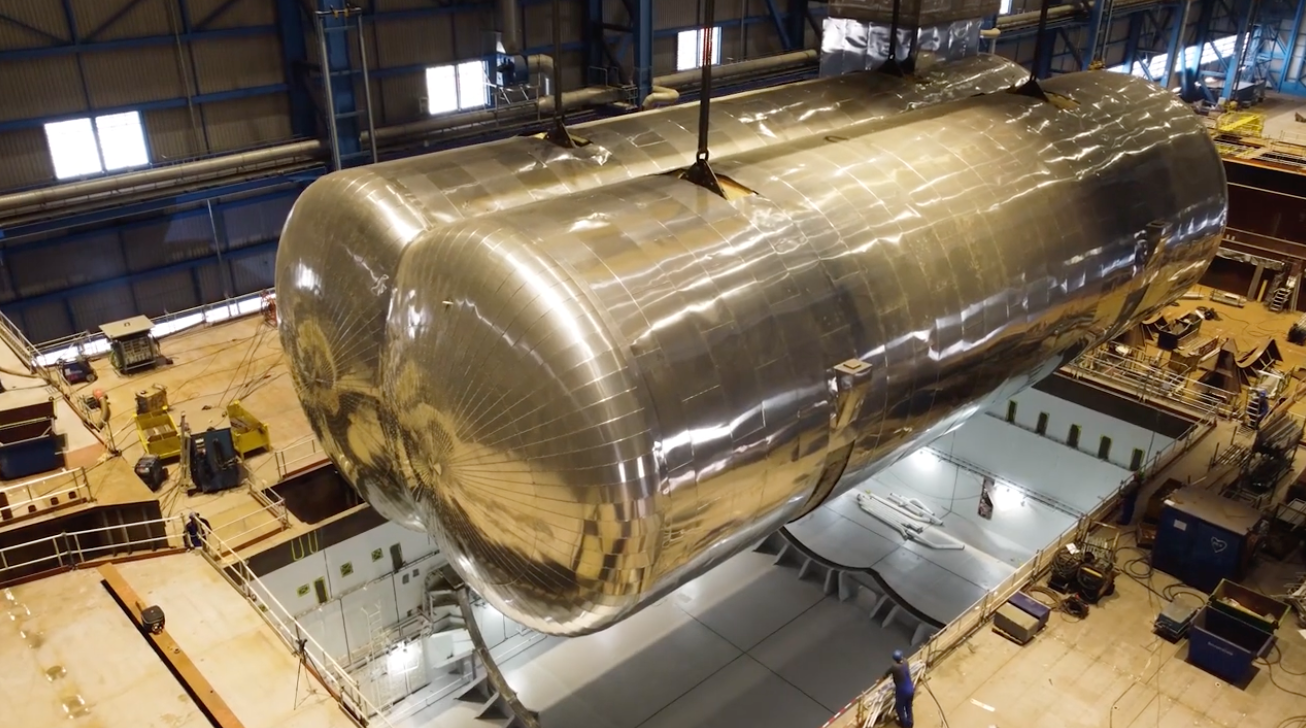
Royal Caribbean Group is moving the vacation industry forward towards a more sustainable future with its SEA The Future initiative and aiming for net zero emissions by 2050. This forward-looking program underscores the Group’s dedication to innovation, energy efficiency, and environmental responsibility, transforming the way their ships operate while minimizing their environmental impact.

Innovative technologies
At the heart of Royal Caribbean Group’s efforts is a series of cutting-edge technologies designed to optimize energy use and reduce emissions. For instance, the deployment of bubble curtains around ships’ hulls reduces water friction, leading to lower fuel consumption. These innovative bubble systems create a smoother passage through water, enhancing fuel efficiency and decreasing greenhouse gas emissions.
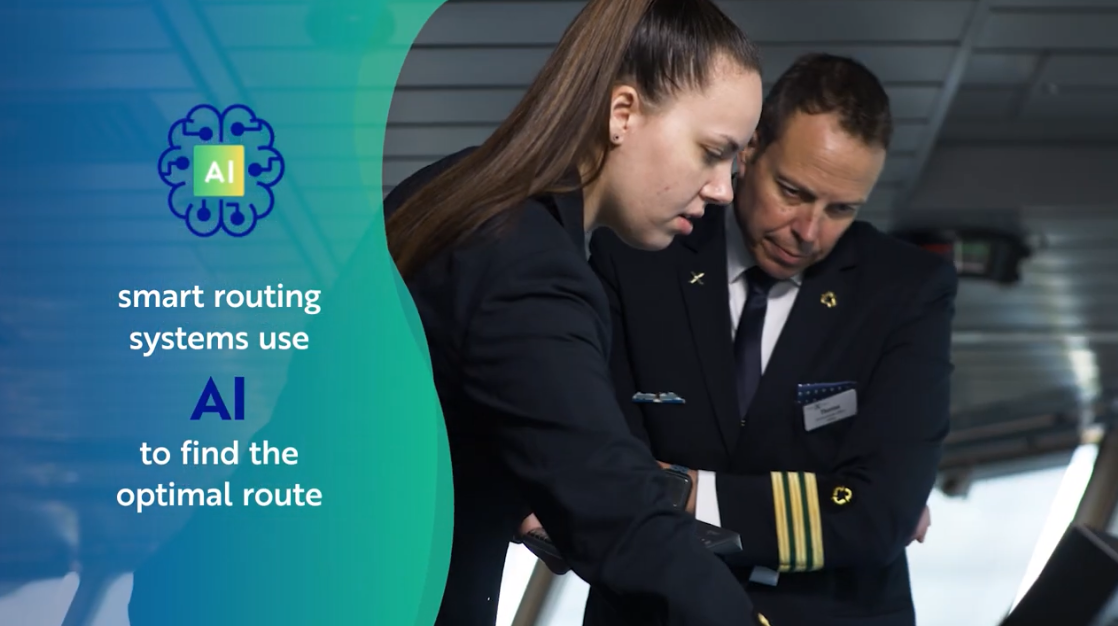
The Group also employs advanced smart routing systems. By analyzing ocean conditions such as currents, weather, and sea state, these systems benchmark the most efficient routes, further conserving fuel and reducing emissions. It’s a more holistic approach to energy conservation.
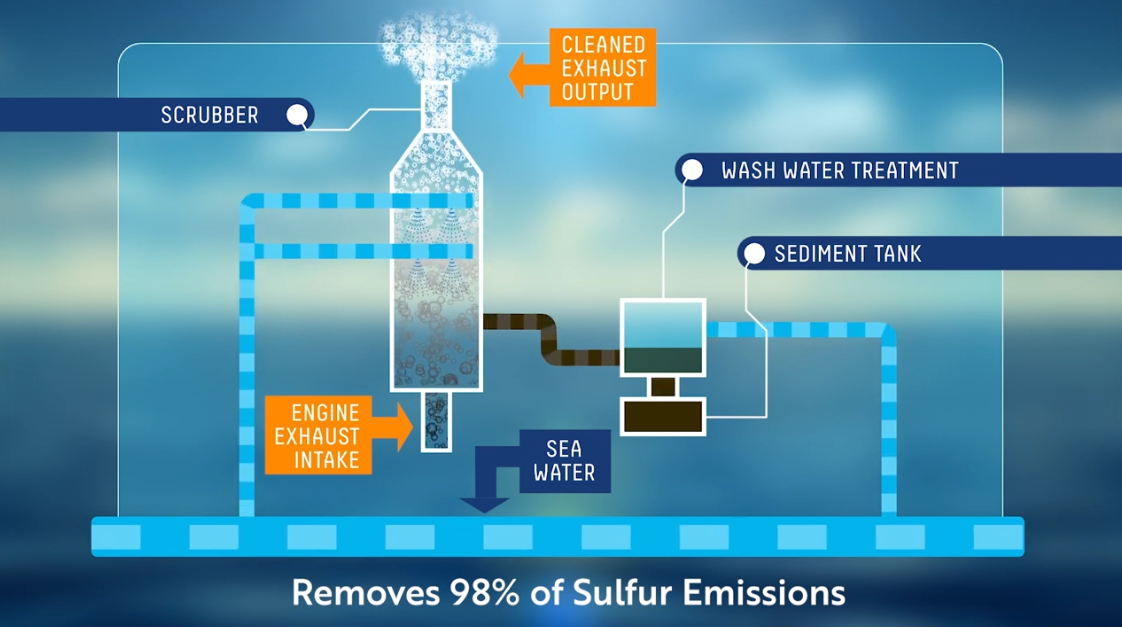
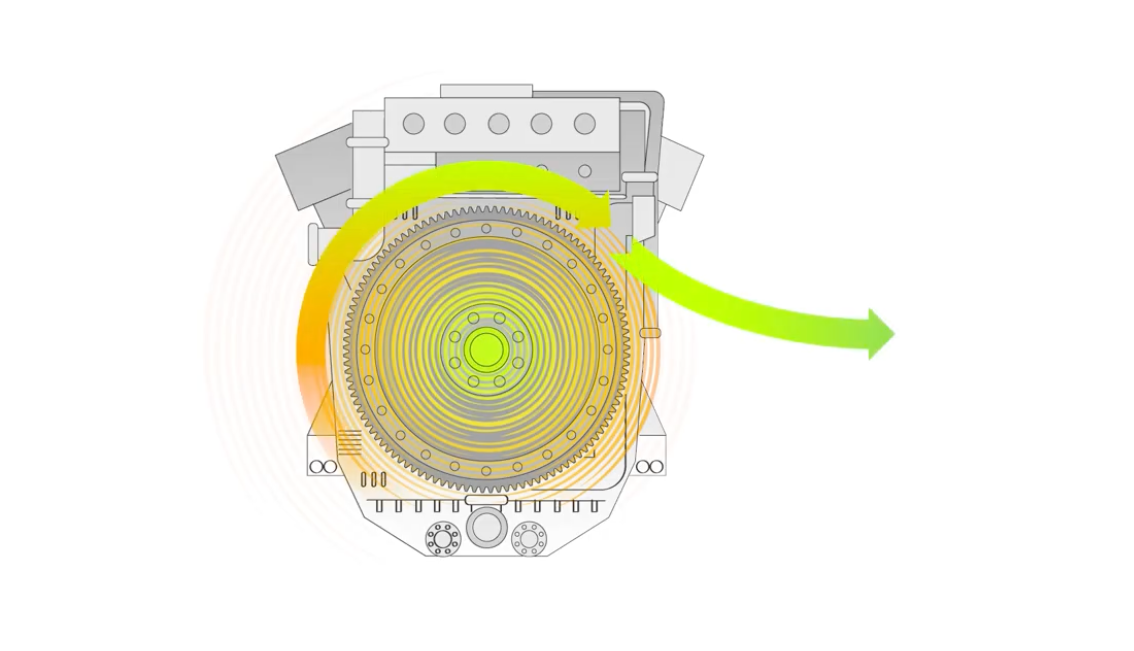
Royal Caribbean Group also integrates advanced environmental technologies onboard their vessels. Many ships are equipped with exhaust gas purification systems capable of removing 98% of sulfur emissions, helping to meet stringent environmental standards. Additionally, some ships harness excess heat to generate electricity, utilizing waste heat to improve overall energy efficiency and reduce reliance on fossil fuels.
Alternativeenergy solutions
Looking ahead, Royal Caribbean Group is actively exploring alternative energy sources such as biofuels, liquefied natural gas (LNG), methanol, and even emerging solutions like fuel cells. These innovations aim to further diminish the carbon footprint of its fleet and pave the way toward a sustainable, net zero future.
The Group is utilizing fuel cells and batteries as a promising and cleaner way to generate power onboard their ships. Two of their smaller ships, Silversea’s Silver Nova and Silver Ray, are equipped with hybrid battery packs integrated into their power systems and are prepared to accommodate potential future fuel cell installations. While scalable fuel cell solutions for large ships are still some years away, the Group remains dedicated to exploring future fuel-cell technologies. This includes collaborating with technology partners to integrate these systems into both ships and land-based facilities.
The Group actively explores solar, wind, and other renewable energy sources to meet its emissions reduction goals. These solutions aim to decrease emissions from shoreside operations and, in some cases, power ships directly. Traditionally, ships rely on auxiliary diesel engines for in-port heating, cooling, and lighting, but with shore power, they can connect to cleaner electricity, reducing air pollution and greenhouse gases.
By the end of 2025, 50% of the Group’s ships will be shore power-capable, with additional retrofits ongoing. All new ships are built with shore power connections. In June 2024, shore power was introduced at PortMiami, enabling ships to connect to the local grid. This expansion, along with facilities in California and Vancouver, helped reduce port emissions by 5,000 metric tons of CO₂e during the year.
Royal Caribbean Group is committed to investing in cleaner energy sources and deploying renewable energy at select shoreside locations and private destinations. This includes maintaining a partnership with a 62-turbine wind power facility in Reading, Kansas, which helps partially offset the group’s greenhouse gas emissions. On average, this facility generates approximately 465,000 tons of carbon offset credits annually, representing about 10% of the Group’s carbon emissions.
In 2023, the Group opened the LEED Gold-Certified Port of Galveston terminal, the world’s first net-zero energy cruise terminal. Additionally, the Group is incorporating onsite solar energy into their upcoming terminal in Barcelona, Spain, with the goal of achieving LEED Gold certification.
Innovative partnerships
Royal Caribbean Group has also increased European shore power capacity through agreements in Ravenna, Italy (2026), and Barcelona, Spain (2027). In Seward, Alaska, the terminal received a $45.7 million grant from the U.S. Environmental Protection Agency to support shore power development, vocational training, battery storage, and infrastructure upgrades. A feasibility study is underway for all North American terminals to identify additional opportunities for expansion.
Royal Caribbean Group’s sustainability journey is not a solo one. The Group collaborates with industry-leading experts and partners to accelerate the development and adoption of sustainable ship designs. Through these partnerships, the Group is committed to pioneering new solutions that will not only benefit the environment but also set industry standards for sustainable maritime operations.
By continuously pushing the boundaries of energy efficiency and environmental stewardship, the Group is charting a course toward net zero emissions, helping to protect our planet for generations to come.