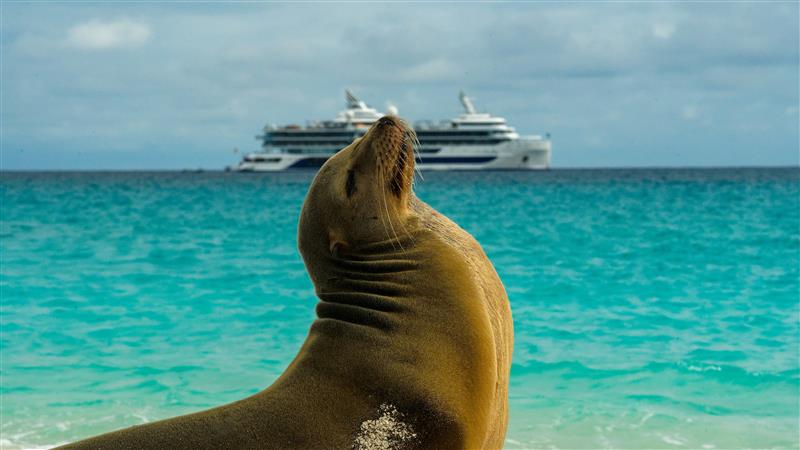
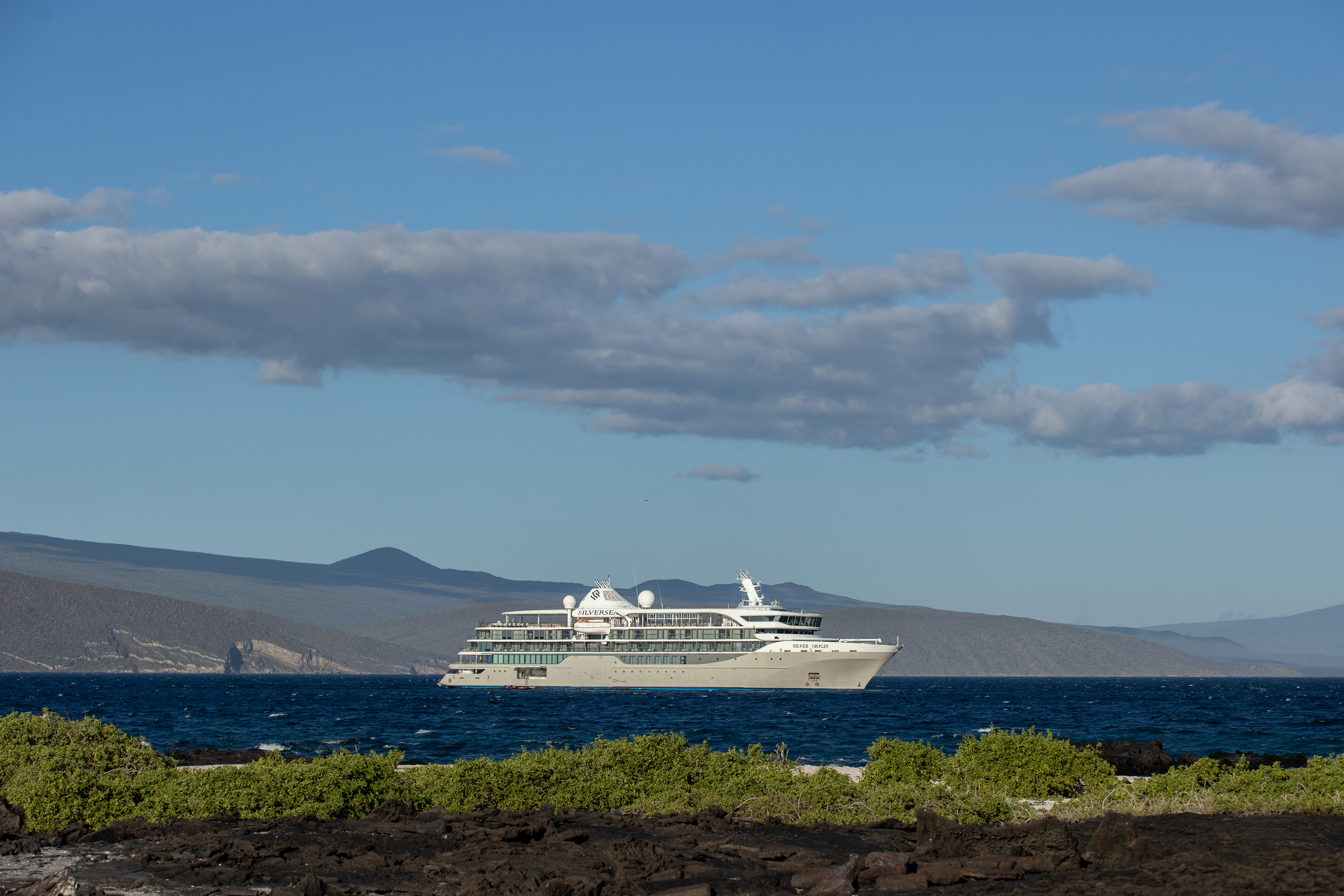
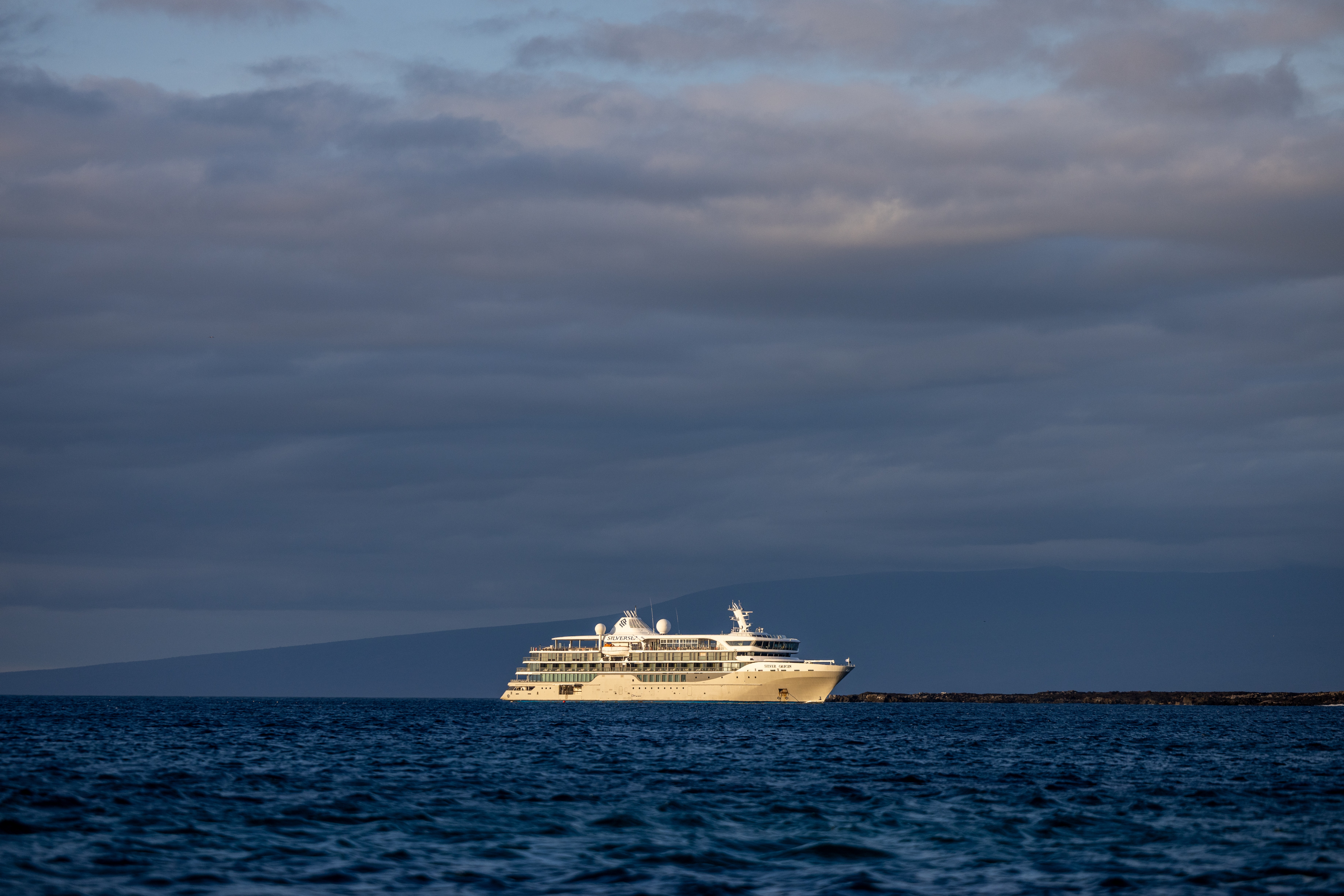
Six hundred miles from mainland Ecuador, a unique and diverse ecosystem known as the Galápagos Islands remains one of the rarest bucket list items. The islands are one of the most extraordinary places on Earth, full of unique wildlife and stunning scenery. Their diverse ecosystems stress the importance of finding a balance between tourism, protecting nature, and supporting local communities. Royal Caribbean Group is dedicated to making sure these incredible islands stay healthy and vibrant for years to come through several sustainability and community projects.
Environmental stewardship and conservation initiatives
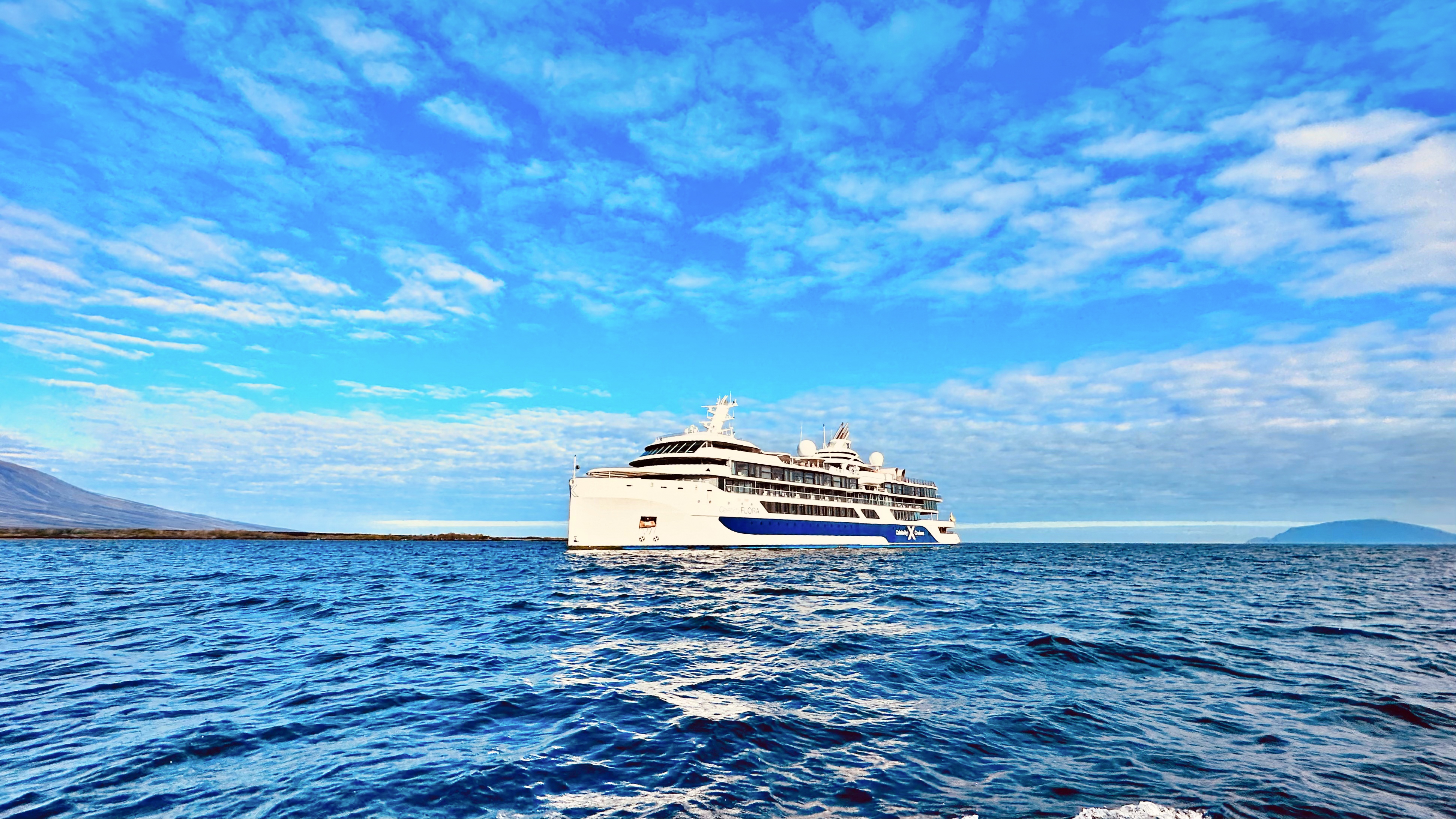
Royal Caribbean Group brands – Celebrity Cruises and Silversea – visit the islands year-round with purpose-built expedition ships and operations at the forefront of environmental stewardship.
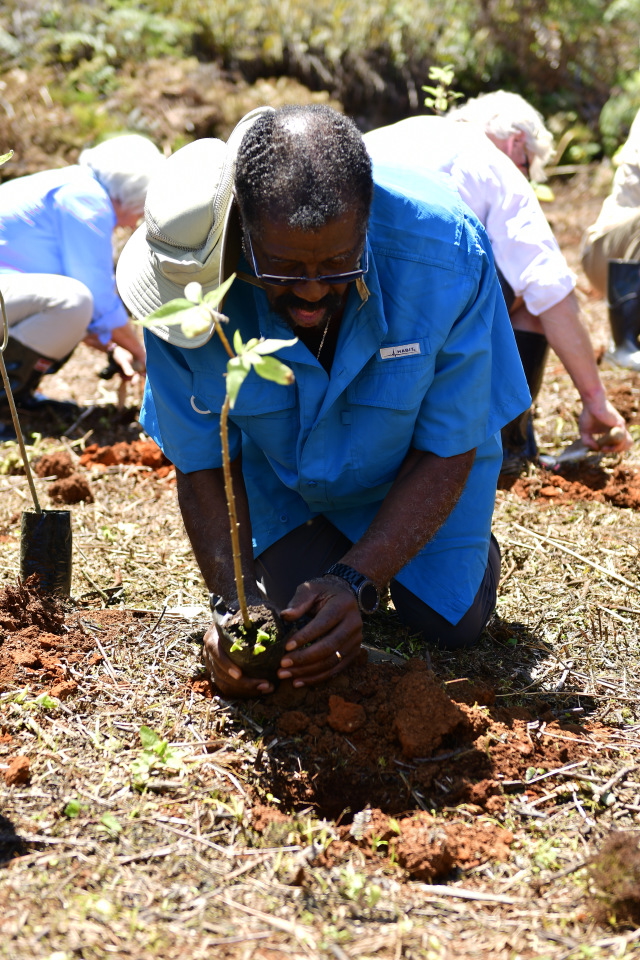
The brands advance their environmental stewardship through close collaboration with the Galápagos National Park, local naturalists, and supporting the ongoing Scalesia Restoration Effort since 2014. This restoration effort invites Celebrity’s guests to participate in ecological restoration by planting Scalesia trees during their visit – a vital species for maintaining the islands' unique biodiversity – resulting in more than 80,000 Scalesia trees being planted.
/
Additionally, Celebrity has invested in installing solar panels at its Distribution Center in Puerto Ayora, reducing reliance on fossil fuels and generating clean energy. The center also features rainwater collection systems and advanced refrigeration technologies, exemplifying a comprehensive approach to sustainability.
Silversea has made significant strides in their conservation efforts in Galápagos. In 2023, they became the first cruise line to receive certification for their innovative waste management system, diverting all refuse from San Cristóbal’s landfill by transporting non-organic waste to the mainland, substantially reducing environmental impact. Silversea’s Silver Origin collaborates with local farms and suppliers, sourcing produce locally to bolster the economy and prevent the introduction of pests, thereby safeguarding the fragile ecosystem.
Creating life-long learning opportunities
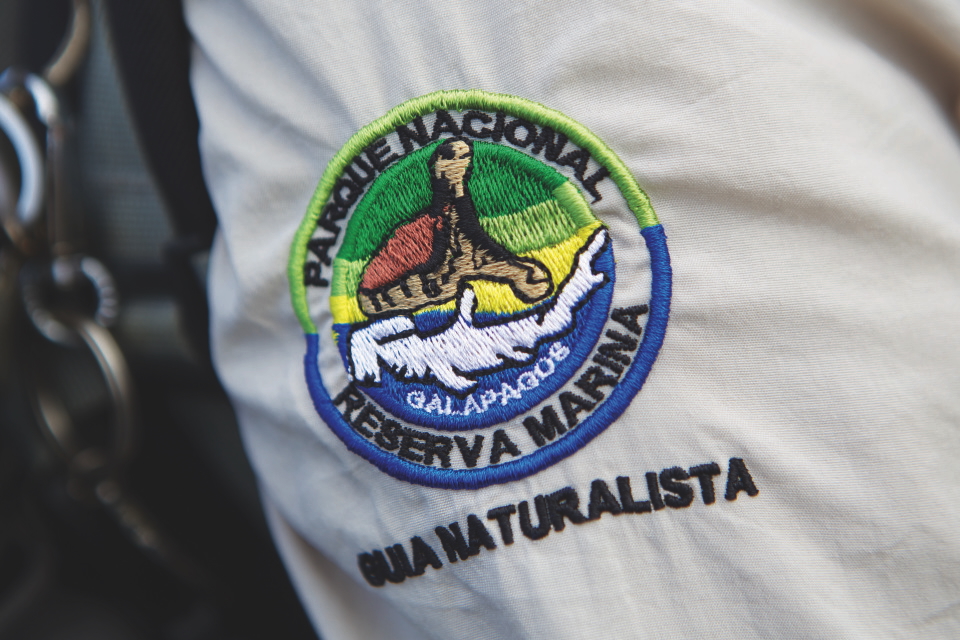
Education forms a central pillar of sustainability and conservation efforts. Certified guides, trained extensively by the Galápagos National Park, accompany guests on excursions, transforming sightseeing into immersive learning experiences. These guides not only enhance guest understanding of the islands' unique ecosystems but also foster a deep appreciation for conservation.
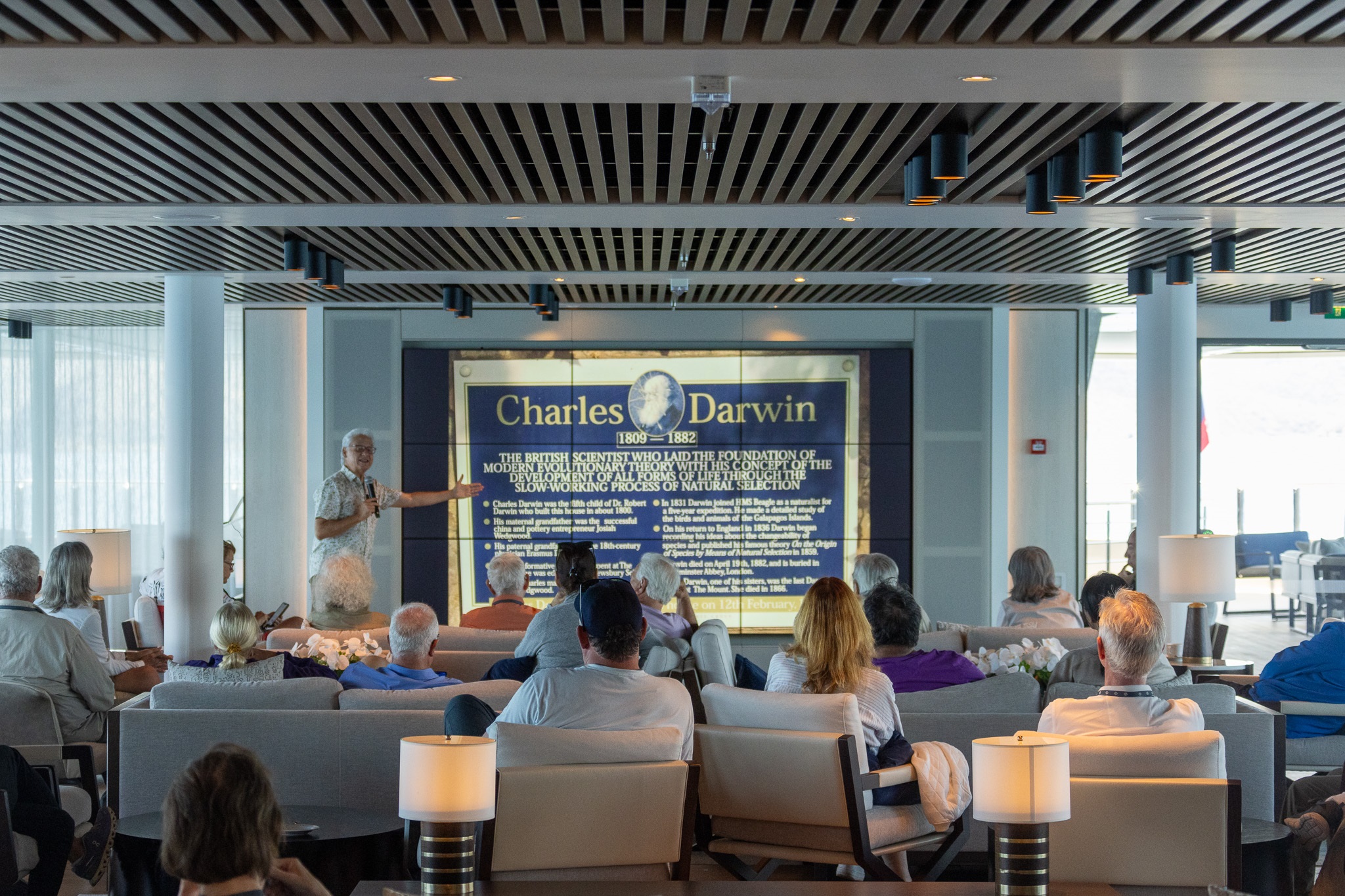
Charles Darwin, naturalist, geologist, and biologist, famously known for his theory of evolution, sailed with the HMS Beagle in the 1830s, and visited Galápagos islands in 1835. During his visit to the islands, Darwin noted that the unique creatures were similar from island to island, but perfectly adapted to their environments, which led him to consider the origin of the islands' inhabitants must have been related, eventually leading to his theory of evolution.
Each October, during Darwin Month – when Darwin and the HMS Beagle arrived at Galápagos – guests sailing with Silversea immerse themselves in activities highlighting Charles Darwin’s historic visit to the islands, fostering a deeper understanding of the islands' natural and historical significance. Celebrating Darwin’s legacy further emphasizes the Group's educational commitment.
Partnering to advance science
Royal Caribbean Group has a partnership with University of Miami’s Rosenstiel School of Marine, Atmospheric, and Earth Science, which leverages oceanographic equipment onboard some of their ships. OceanScope uses commercial ships in regular transit to do what research vessels cannot: collect ocean data over long periods of time. The data collected in ocean water samples measure the ocean’s vital signs, like the structure of currents, sea surface temperatures, carbon dioxide concentrations, and salinity.
Royal Caribbean Group also supports advancing environmental innovation through the Galápagos Science Center (GSC), an educational hub created by the University of North Carolina at Chapel Hill (UNC) and the Universidad San Francisco de Quito (USFQ). The Group’s support ensures the continuation of the Reactivating the Economy through Science, Community, and Work (REACCT) program, providing seed funding to entrepreneurial projects that protect native species, promote citizen science, and improve food security across the islands.
The Group works with the renewal of the Galápagos Barcode Project, training galapagueños to catalog biodiversity, collecting DNA samples to study, and strengthening the islands’ ecosystem. This project originated during the pandemic as a means of training and employing locals who had lost their jobs. Locals are then trained in field and lab techniques to collect and analyze DNA samples from plants, animals, soil, and water. These samples are used to create a genetic barcode of species across three major islands: Isabela, Santa Cruz, and San Cristóbal.
The Group provides innovative environmental research scholarships for USFQ and UNC students completing their undergraduate summer field experiences. They work together to study conservation issues relevant to the Galápagos community.
Energizing communities
Beyond environmental efforts, the Group actively supports local communities through various socio-economic initiatives aligned with their SEA The Future initiative. These include constructing greenhouses to promote organic agriculture, founding the first library on Floreana island and donating books and furniture, and establishing fishing cooperatives with modern processing facilities to ensure sustainable livelihoods. These projects empower the residents, foster economic resilience, and reinforce the islands' ecological integrity.
Supporting conservation
Through Celebrity and Silversea’s Galápagos Funds, guests can directly contribute to ongoing conservation efforts, with more than $1.5 million raised to support ecosystem protection and restoration. Since 2006 and 2019, respectively, Celebrity, Silversea, and their guests have donated to this fund and other local projects, supporting the continued protection and restoration of the Galápagos. Altogether, through Celebrity and Silversea’s funds, alongside renovation projects, collaborations with UNC and USFQ, and disaster relief programs, $3.2 million has been raised.
These funds support education and conservation projects related to youth empowerment; education and training; and science, technology, and conservation. The funds welcome both formal and grassroots project proposals from the Galápagos’ four inhabited islands: San Cristobal, Santa Cruz, Isabela, and Floreana.
Royal Caribbean Group’s dedication underscores a shared vision: that thoughtfully managed tourism can be a powerful force for energizing communities through conservation, education, and local empowerment. As the Galápagos continues to inspire awe and curiosity worldwide, these initiatives serve as a blueprint for preserving our planet’s most precious ecosystems while supporting the communities that call them home.